
Retaining Wall vs. Landscape Wall: What’s the Difference and Which Does Your Yard Need?
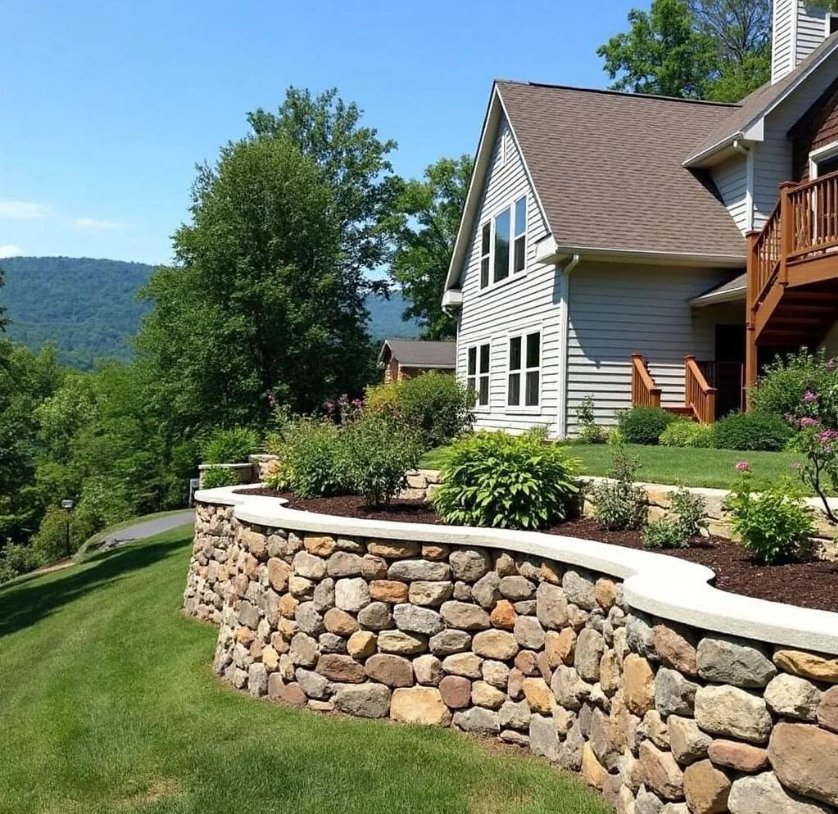
Picture your backyard after a heavy spring rain. Mulch has slid down the slope onto your patio, and the grass at the bottom is soggy and thin. Or maybe your yard is flat but feels plain, and you keep picturing a stone seat wall around a fire pit. Either way, you have probably asked yourself what kind of wall would help.
People often mix up the terms retaining wall and landscape wall, but the two walls do very different jobs. Choose the wrong one, and you could end up with cracks, a leaning wall, and soil washing away. You could also pay for engineering you never needed.
In this guide, we will walk through the key differences, the warning signs to watch for, and a few questions to help you decide.
What Is a Retaining Wall?
A retaining wall is a structural wall. It holds back soil and stands up to the steady pressure of the earth and water behind it. Homeowners across Wilmington and New Castle County usually build one for practical reasons, such as:
- Turning a steep slope into level, usable space
- Stopping erosion and soil washout
- Protecting driveways, foundations, and patios from shifting ground
What you see is only part of the wall. A sound retaining wall sits on a compacted base and has gravel backfill and a drainage pipe behind it. Taller walls also need geogrid, a reinforcing mesh that ties the wall into the soil.
However, when building a retaining wall, function comes first. Good looks are usually a welcome bonus. That's because the core job of a retaining wall is to hold the ground in place. At Green Acres, we focus on building a functional retaining wall.
What Is a Landscape Wall?
A landscape wall is built mainly for looks, definition, or comfort. Little or no soil pushes against it, so its main job is to stand up and look good. Common types include:
- Freestanding garden walls that frame a yard or walkway
- Seat walls around a patio or fire pit
- Raised planters and flower bed borders
Landscape walls are simpler to build, but they still need a solid base. If the base is weak, even a short garden wall can settle unevenly or tip out of level over time.
Six Key Differences Between Retaining Walls and Landscape Walls
Now that you know what both options mean, let's understand the differences.
Purpose
While a retaining wall holds back earth, the landscape wall decorates or defines a space.
Structural Load
Retaining walls push back against soil and water pressure every day. Landscape walls mostly carry only their own weight.
Drainage
Poor drainage is one of the top reasons retaining walls fail. Water builds up behind the wall and pushes until something gives. Landscape walls rarely need the same drainage system.
Height and Engineering
Taller retaining walls may need an engineer's design and a permit. Rules differ from place to place, so check your local height limits before you plan.
Materials
Both types can use natural stone, block, or pavers. Retaining walls need interlocking or reinforced systems built to handle the load. Landscape walls give you more freedom to choose materials for style alone.
Cost and Timeline
Retaining walls usually cost more because of the excavation, drainage, and reinforcement. Landscape walls tend to go up faster and for less money.
Here's a quick side-by-side view:
| Feature | Retaining Wall | Landscape Wall |
|---|---|---|
| Purpose | Holds back soil | Adds style and structure |
| Load | Soil and water pressure | Mostly its own weight |
| Drainage | Essential | Rarely needed |
| Typical Height | Low to tall | Usually low |
| Permits | Often needed for taller walls | Rarely needed |
| Cost | Higher | Lower |
Signs Your Yard Needs a Retaining Wall
Your yard often tells you when it needs help. Watch for these signs:
- Soil or mulch washes onto your patio or driveway after rain
- Your slope is too steep to mow safely or use comfortably
- Water pools near your home's foundation
- An existing wall is leaning, bulging, or cracking
- You want to level an area for a patio, lawn, or garden
Pay attention to any existing wall that is leaning, bulging, or cracking. Those changes often mean the wall is under more pressure than it was built to handle. And if you want to level an area for a patio, lawn, or garden, a retaining wall is often the foundation of that plan.
Here is a simple idea: walk your yard after the next big storm. Notice where the water goes, which areas erode, and where the ground feels soft. Those observations will tell you a lot about what your property needs.
When a Landscape Wall Is the Better Fit
Not every yard needs heavy structural work. A landscape wall may be the better choice when you:
- Have a mostly flat yard but need more shape and structure
- Want built-in seating around a fire pit or patio
- Would like raised beds for flowers, herbs, or vegetables
- Need to separate zones or add curb appeal out front
If you're gathering landscape wall ideas, think about how you use your outdoor living space. Many homeowners in Wilmington and New Castle County also want built-in seating around a fire pit or patio, and a seat wall gives you a comfortable place to gather.
Raised beds are another popular option. They make it easier to grow flowers, herbs, or vegetables, and they keep your garden neat. A landscape wall can also separate zones in your yard or boost your curb appeal. Likewise, a stone border can give your front garden a clean, finished look.
Can One Wall Do Both Jobs?
Yes, it can. A well-designed retaining wall can double as a seat wall or a planting bed, giving you the garden wall look along with real support for the soil. Tiered walls are especially useful on large slopes because they spread the load and create layered gardens.
There is one important caution, though. If a wall that looks decorative is holding back soil, it still needs retaining wall construction. This is where many do-it-yourself builds run into trouble. Looks alone will not keep the earth behind it from pushing.
Things Delaware Homeowners Should Keep in Mind
Delaware yards come with their own challenges. Clay soils hold water and add significant pressure behind a wall. Freeze and thaw cycles can shift a weak base over time, so a solid foundation matters even more here. Heavy storms make drainage planning essential, not optional.
Permit rules also vary by county and town, so check with your local office before you dig. If you are looking for a retaining wall installation in New Castle County, check the county office for permits. At Green Acres, we confirm your requirements first, bring in an engineer when needed, and call 811 before digging.
Questions to Ask Before You Build
Before you choose a wall, ask yourself a few questions:
- Is the wall holding soil or adding style?
- How tall does it need to be?
- Where will the water go?
- Will you need a permit or an engineer?
- What warranty comes with the work?
Clear answers will point you toward the right wall and help you avoid costly surprises later.
Choose the Wall That Fits Your Yard
Retaining walls solve problems, while landscape walls add character. The right choice depends on your slope, soil, water flow, and how you want to use the space. Some yards need both, and a good plan can bring them together.
If you are not sure where to start, reach out to Green Acres for a site visit or free estimate. We will walk your yard with you, look at the slope and drainage, and recommend the wall that fits your home best. Call us at (302) 332-8239 or request a quote on our contact page.
Frequently Asked Questions
Is a retaining wall more expensive than a landscape wall?
Usually, yes. Excavation, drainage, and reinforcement add to the cost of a retaining wall.
How long does a retaining wall last?
How long your wall lasts depends on the materials, the drainage, and the quality of the build. A wall with a solid base and good drainage holds up far better over time.
Can you build a small retaining wall yourself?
A very short wall may be manageable. Even then, it needs a compacted base and drainage, so get professional advice if you have any doubts.
Do landscape walls need a foundation?
Yes, a compacted gravel base keeps the wall level and stable.