
Fall Fire Pit Ideas: How to Create a Backyard Gathering Space You’ll Use Year-Round
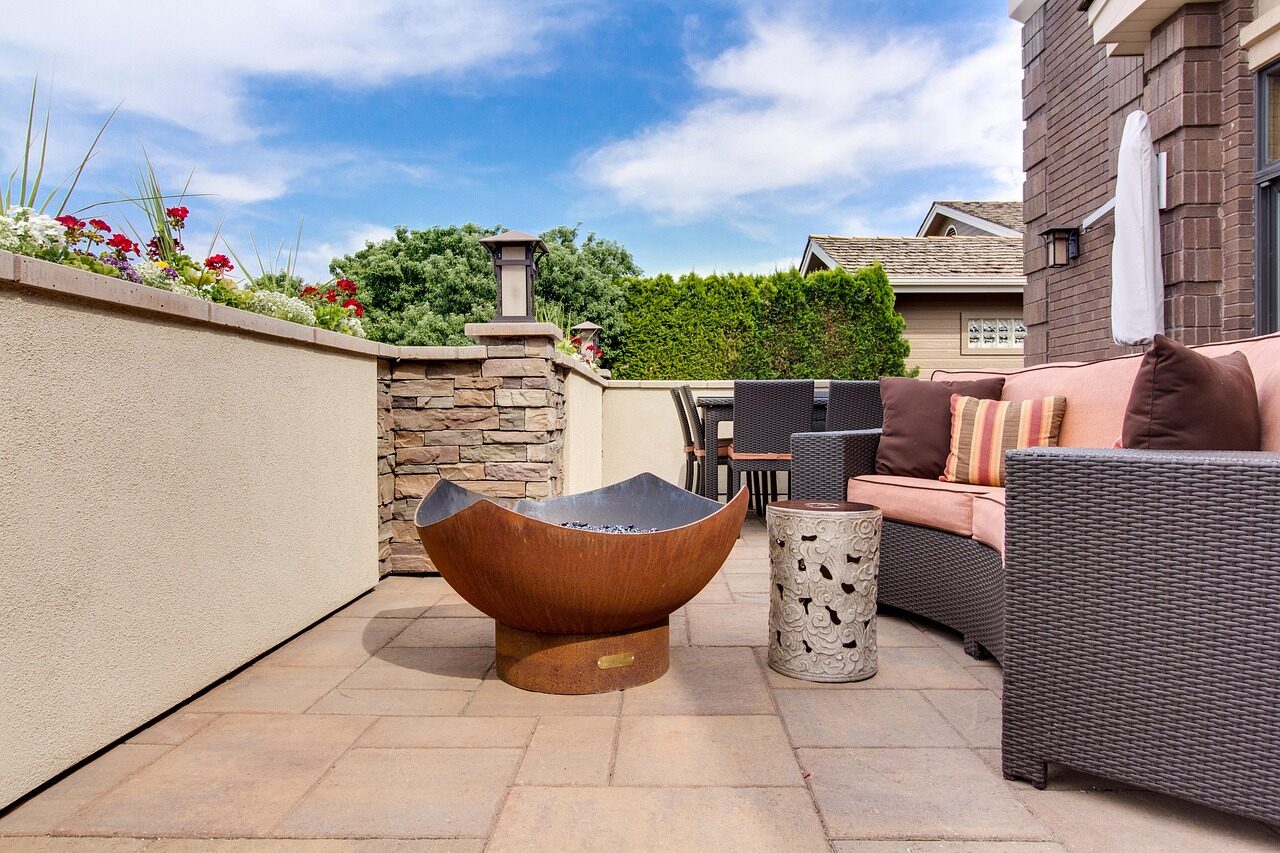
Cool fall evenings have a way of bringing people together, and a well-built backyard fire pit gives them a reason to stay outside longer. With the right design, your patio becomes the place friends and family gather after dinner, on weekends, and through the holidays.
A thoughtfully planned fire pit can stretch your outdoor season from early spring through late fall, and even into clear winter nights. But getting the most out of the space starts well before construction. You'll need to decide where the pit sits relative to the wind and the house, which materials withstand heat and freeze-thaw cycles, how the seating is spaced, and how you'll light and warm the space as the days get shorter.
This guide walks through placement, materials, seating, safety, and cold-weather comfort, the same questions Green Acres works through with every homeowner when designing and installing fire pits in Delaware.
Start With How You Want to Use the Space
Most people pick a fire pit they like the look of and then try to fit it into the yard. A better approach is to start with how you live and let the design follow.
Ask yourself:
- How many people do you usually host? A quiet spot for two needs a very different footprint than a backyard gathering space for ten.
- Will you cook over the fire? If so, plan for a grill grate, prep space, and an easy path to the kitchen.
- Is this for relaxing or entertaining? An outdoor entertaining area needs room to move around. A reading nook needs privacy and shelter.
Next, think about fire pit placement. Note the prevailing wind, so smoke doesn't drift toward the house or across your seating. Consider sightlines, too. A fire pit you can see from the kitchen window or back door gets used more because it feels connected to the house.
Keep it close enough to be convenient but far enough away to be safe (we cover clearances below). Good layout planning at this stage saves money and frustration later.
Built-In vs. Portable Fire Pits
Portable fire pits cost little, need no installation, and can move around the yard or come along on a camping trip. The tradeoff is lifespan. The thin steel bowls rust, warp, and burn through, often within a few seasons. They also tend to look temporary, like something set on the lawn rather than designed into the space.
Built-in fire pits are a permanent part of your landscape. A custom fire pit can match your patio, flow into walkways, and include seat walls or a surrounding paver surface. When made with the right materials and a proper base, a permanent fire pit holds up for many years and adds lasting value to your property. You can also choose between wood-burning and gas, which we cover next.
If you want a true gathering spot instead of a seasonal accessory, a custom built-in fire pit is worth the investment.
Fire Pit Styles and Fuel Options
Once you know how you'll use the space, the next step is to choose a suitable format.
Classic round stone fire pit: Timeless and conversation-friendly. A circle puts everyone at the same distance from the flame and works with almost any home style.
Square or rectangular modern design: Clean lines that pair well with contemporary architecture and large-format pavers. This modern fire pit design fits naturally into angular patios.
Gas fire pit: Instant warmth at the turn of a knob or flip of a switch, with no smoke, ash, or embers to clean up. Ideal for weeknight use.
Wood-burning fire pit: The crackle, the smell, and the glow of real logs. It's the classic experience and the best choice for cooking and s'mores.
Fire table: A raised, table-height unit, usually gas-fueled, with a ledge for drinks and plates. Great when you want the fire to be part of a dining or lounge setup.
Choosing between wood and gas? Consider cleanup, fuel access, and local restrictions. Wood gives you the familiar scent and sound; gas avoids logs and ash.
Choosing Materials That Last
A fire pit takes stress from two directions: intense heat inside the firebox, and rain, snow, and temperature swings outside. The fire pit materials you choose decide whether it looks decent in ten years or starts cracking after a few winters.
Durable options include:
- Natural stone: Varied in color and texture, with a timeless look for traditional and rustic homes.
- Pavers: Uniform shapes and consistent color make a paver fire pit easy to match to an existing paver patio.
- Brick: Classic, heat-tolerant, and a natural fit for older brick homes.
- Concrete block: A strong, cost-effective core for built-in surrounds, usually faced with stone or veneer for a finished look.
- Flagstone: Ideal for caps and surrounding surfaces, and an easy way to connect the pit visually to nearby paths and patios.
Not every decorative stone belongs near flames. Some stones, especially porous or water-soaked ones, can crack or even burst when heated. To protect the structure, line the firebox with fire-rated brick or a steel insert so the exterior stone never takes direct flame.
Delaware's freeze-thaw winters make drainage especially relevant. Select durable hardscaping materials that complement your existing patios, walkways, and retaining walls without looking mismatched.
Arrange Seating for Comfort and Conversation
Seating is what makes a fire pit feel finished. The best arrangements balance comfort, conversation, and flexibility.
Built-in stone seat walls are a strong place to start. A seat wall that curves around part of the fire pit gives permanent seating and also defines the space. At a typical height of about 18 to 20 inches, it sits at a comfortable chair height.
Curved benches build on the same idea. Because they follow the shape of the fire pit, everyone faces the center and conversation flows naturally. For a more relaxed feel, choose Adirondack chairs with low, reclined seats made for lingering.
Many of the most practical layouts mix both approaches: built-in seating handles everyday use, and a few movable chairs let you expand when a bigger group comes over.
However you arrange the seats, leave clear paths in and out of the area so no one has to step close to the flames to reach their spot. A good backyard seating arrangement usually puts seat edges about 3 to 4 feet from the fire's edge.
Gas fire pits produce less radiant heat, so they can allow seating a little closer. Plan your outdoor furniture layout around these measurements before anything is installed.
Don't Skip Fire Pit Safety
Fire pit safety starts with location. The U.S. Fire Administration recommends keeping outdoor fire pits at least 10 feet from the house and anything combustible. Local rules and product instructions may call for more space.
Choose a noncombustible surface away from fences, branches, and overhead structures. Screen wood fires, keep an extinguisher or water nearby, and never leave flames unattended.
Delaware's Department of Natural Resources and Environmental Control allows recreational patio fires year-round, except during air-quality restrictions or applicable burn bans. Check local permits, zoning, and any HOA restrictions, especially for gas piping. The rules for installing a feature are separate from permission to burn.
Professional installation helps address fire pit clearance, gas connections, drainage, and material selection before the first fire. Gas lines should be installed or connected by qualified professionals.
Make the Space Comfortable Beyond Fall
A few additions can keep the area usable from October into March, weather permitting.
Start with weather-resistant cushions and warm blankets stored somewhere dry. Place outdoor rugs only in areas safely separated from heat and embers. Add outdoor lighting along paths for darker evenings.
For extra warmth, add a patio heater in a separate seating area, following its clearance rules. A pergola or screen can help reduce wind around a nearby seating area, but combustible shelter should never sit above an open flame. Check overhead clearances for every heating appliance.
Put a drinks station near seating, away from the flames. Keep s'mores supplies handy for wood fires or units specifically approved for cooking. Year-round outdoor entertaining starts with comfort, not constant upgrades.
Pairing Your Fire Pit With a Full Outdoor Living Plan
A fire pit works best as part of a bigger design. On its own, it can look like an island in the lawn. Connected to the rest of your yard, it becomes the anchor of a complete outdoor living space.
A full outdoor living design might include:
- A patio and fire pit
- Walkways
- Retaining walls
- An outdoor kitchen
- Plantings
Even if you build in phases, planning patios, fire features, walls, walkways, and lighting as one design gives your Delaware backyard renovation a clear, cohesive starting point.
Create a Backyard You'll Want to Use Year-Round
A fire pit should draw you outside long after summer. Good layouts, durable materials, comfortable seating, and safe placement make this possible.
Plan around how you'll use the space, rather than buying a feature just because it looks good. A well-planned pit works for quiet weeknights, larger gatherings, and chilly evenings.
Ready to bring your fall fire pit ideas to life? Contact Green Acres for a consultation on fire pit and outdoor living design. We'll help you plan, design, and install a backyard you'll love in every season.