
Bare Spot Lawn Repair: A Step-by-Step Guide to Fix Bare Grass Patches That Last
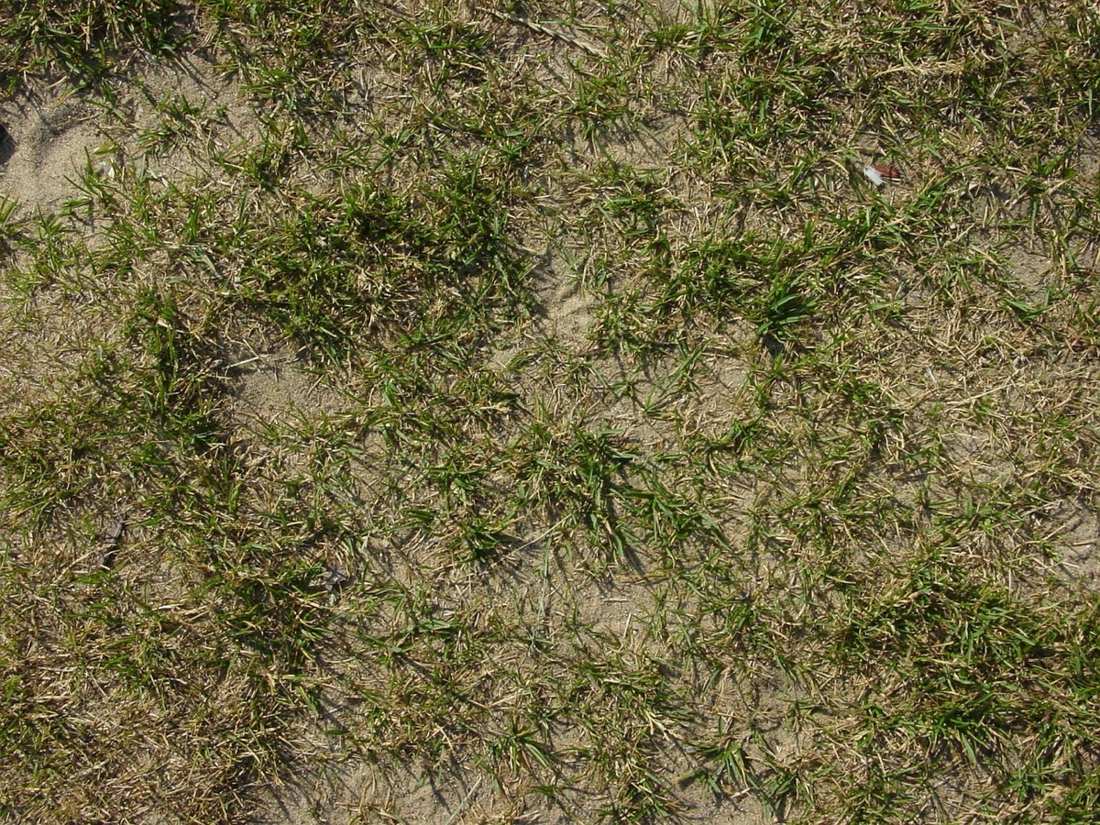
A few bare patches can make a healthy lawn look neglected, but they rarely appear without a valid reason. Repeated foot traffic, soggy soil, shade, compacted ground, or other ongoing stresses can gradually weaken grass until the soil becomes exposed.
The good news is that repairing bare spots in your lawn is straightforward once you get to know the underlying cause. Fixing the source of the problem gives new grass a much better chance of lasting, while simply scattering seed over the area often leads to the same bare patch returning.
This blog walks you through each step of bare spot lawn repair, from finding the cause to establishing healthy, long-lasting grass.
Before You Start: Figure Out Why the Grass Disappeared
Successful bare spot lawn repair starts by identifying what caused the damage in the first place. Every lawn tells a different story, so taking a close look before reaching for seed or sod can save time and prevent the problem from returning.
One of the most common causes is heavy foot traffic or active pets, which gradually wear away grass until bare soil appears. Excess moisture can be just as damaging. Standing water deprives grass roots of oxygen, encourages disease, and increases the likelihood of new seed rotting before it has a chance to germinate.
The EPA reports that landscape irrigation makes up nearly one-third of residential water use in the U.S., using about 8 billion gallons daily. So, managing this water properly can prevent both wasteful runoff and lawn damage.
Even if moisture is not the issue, the condition of the soil also matters. Compacted ground prevents water from soaking in properly, leaving roots shallow and weak. Dense tree canopies and competing roots can create additional stress by reducing sunlight, moisture, and nutrients, making it harder for healthy turf to recover.
Insects and lawn diseases may also explain recurring damage. Loose turf, chewed blades, or circular patches can indicate a larger issue. If you’re wondering how to fix dead grass patches or how to fix bare spots in grass, addressing these underlying causes before repairing the lawn will give you a much better chance of achieving long-lasting results.
What You Need for a Clean Grass Patch Repair?
Before you start repairing grass patches, it is important to gather the right supplies. Here’s what you need:
- Soil Preparation Tools: Keep a rake or dethatching rake, a hand cultivator or shovel, and a stiff broom nearby to clear debris, loosen soil, and prepare the area for repair.
- Grass Seed or Sod: Select quality grass seed that closely matches your existing lawn, or choose sod if you want quicker coverage.
- Topsoil and Compost: Use a blend of screened topsoil and compost to improve seed-to-soil contact while supplying nutrients for healthy growth.
- Protective Covering: Apply straw or an erosion-control blanket to protect newly seeded areas from birds, heavy rain, and soil erosion.
- Optional Lawn Boosters: Starter fertilizer and a simple soil test kit can support healthier, longer-lasting lawn patch repair by promoting stronger root development.
Step 1: Clean Out the Area the Right Way
Proper preparation provides new grass the best chance to blend naturally into the surrounding lawn during grass patch repairing.
You can start by removing dead grass, thatch, rocks, and other debris until clean soil is exposed. Create neat edges around the damaged section so the repaired area transitions smoothly into the existing turf. Before moving on, pull weeds completely to reduce competition for moisture and nutrients.
Once the area is clear, loosen the top layer of the soil using a cultivator or rake. Fresh roots establish more quickly in loose soil than in compacted ground. If the surrounding soil feels hard or crusted, consider aerating the area to improve water penetration and encourage deeper root growth. This added step can make lawn patch repair more successful, especially for homeowners wondering how to fix bare spots in grass that keep returning.
Step 2: Fix the Soil First So the Patch Lasts
For homeowners wondering how to fix dead grass patches, improving the soil first delivers more lasting lawn patch repair than simply adding more seed. Meaning, healthy soil is an indicator of how successful your bare spot lawn repair will be, making this one of the most important steps in the process.
Begin by loosening the soil to a depth of about two to three inches while breaking apart any compacted clumps. Then blend compost with screened topsoil. This can improve drainage, moisture retention, and root development. Finish by smoothing the surface so water spreads evenly instead of collecting in low areas.
As you level the area, fill any depressions slightly above the surrounding grade since fresh soil naturally settles over time. If the surrounding lawn is compacted, core aeration can further improve water, oxygen, and nutrient movement to the roots.
Step 3: Choose the Right Repair Method: Seed, Sod, or Plugs
Every grass patch repairing project benefits from selecting the right repair method based on the condition and size of the damaged area.
For smaller or less damaged sections, grass seed stands as an affordable option. It blends naturally with established turf. Consistent watering and protection from birds and runoff help new seedlings establish successfully.
If you need quicker coverage, go with sod. It can provide an instant solution, and it works especially well for high-traffic areas. Proper installation can also help reduce erosion and minimize washout during heavy rain.
For smaller areas in warm-season lawns, grass plugs can be another effective option. They allow healthy grass to spread gradually and fill the damaged section over time.
So, regardless of the method you choose, matching the seed, sod, or plugs with the existing grass type and weather conditions is important. A patch can look noticeably different when the repair material does not match the existing grass type. If the same area keeps struggling to grow back, the cause is usually related to issues like poor drainage, excess water movement, or compacted soil rather than the quality of the grass.
Step 4: How to Patch with Seed for the Best Germination
Proper seeding techniques can contribute to bare spot lawn repair by giving new grass the foundation it needs to grow.
Start by spreading seed evenly across the prepared surface, avoiding thick piles that can lead to uneven growth. Lightly rake the seed into the top layer of soil to improve seed-to-soil contact, then apply a thin layer of compost or screened topsoil to support germination. Cover the area with straw or an erosion-control blanket to help retain moisture and protect the seed from runoff.
With the seed protected, the next focus should be maintaining consistent moisture. Water lightly several times each day until germination begins, keeping the top inch of soil consistently moist without oversaturating the area. Too much water can wash seeds away before roots develop.
Pro tip: Homeowners learning how to fix bare spots in grass usually see better results by following a steady watering routine, which also helps create a stronger lawn patch repair.
Step 5: How to Patch with Sod So It Blends and Roots In
A well-installed sod patch creates durable grass patch repair results by helping new turf establish strong roots and blend naturally with the surrounding lawn.
Start by cutting the damaged section into a neat square. Then remove enough soil so the sod sits level with the existing grass. Firm the soil underneath to remove air pockets. Then place each piece tightly against adjoining sections, staggering the seams where possible for a smoother finish.
Once the sod is in place, proper watering and care can help the roots settle into the soil. Water deeply right after installation, then keep the area evenly moist for around two weeks. Avoid foot traffic on the repaired area until the sod resists a gentle tug. This indicates that the roots have started establishing themselves in the soil.
Step 6: Protect the Patch from Washouts, Pets, and Foot Traffic
Fresh bare spot lawn repair needs protection during the first few weeks while new grass begins to establish roots.
Use straw or biodegradable erosion mats on slopes and areas exposed to heavy rainfall, as they help protect seedlings and reduce runoff. Temporary barriers can keep children and pets away from delicate new growth, preventing damage during this early stage.
Continue with short watering cycles to maintain consistent moisture without washing away seed or soil. Delay mowing until new grass reaches the recommended height for its variety, and wait to apply weed treatments until the grass is fully developed.
Step 7: The Two- to Four-Week Care Plan After Grass Patch Repair
Maintaining the repaired area after planting is just as important as the initial grass patch repairing process.
You can start with light, frequent watering to keep the soil moist. Then gradually shift to deeper and less frequent irrigation as the new roots begin to develop.
Once the grass is ready for its first cut, use a sharp mower blade and keep the cutting height high. Gentle mowing helps protect young grass from unnecessary stress while encouraging healthier growth.
As new grass begins to grow, apply starter fertilizer according to label directions to encourage healthy development. Avoid using excess nitrogen, as it can burn young grass and result in weak growth. Keep an eye out for fungal activity in consistently damp areas and overseed thin sections before they turn into bare patches again.
When Bare Spots Keep Coming Back: Check Grading and Drainage Around the Lawn
When the same areas keep struggling despite repeated bare spot lawn repairing, it often signals an underlying drainage issue.
One of the biggest warning signs is pooling water after rainfall. This limits oxygen from reaching the roots and creates poor growth conditions over time. Low areas naturally collect runoff, while an uneven yard slope can continue directing water toward the same vulnerable spots.
Addressing these issues through grading can help redirect water flow and prevent it from collecting around damaged turf. Drainage solutions such as French drains or swales can also move excess water away from lawns and foundations.
Pro tip: If you're a homeowner searching for how to fix dead grass patches or how to fix bare spots in grass without seeing lasting improvement, a professional evaluation can help identify the underlying cause behind the recurring damage.
Wrap Up: A Patch That Lasts Is Mostly About Prep and Water Control
Long-lasting grass patch repairing comes down to careful preparation, healthy soil, the right method, and consistent follow-up care. Every successful bare spot lawn repair begins by addressing the underlying cause instead of only covering the damaged area. If drainage issues or poor grading continue to affect the lawn, the same bare spots may return despite your repair efforts.
Since these underlying issues can affect how well new grass grows, timing and ongoing care also matter. Early fall and spring generally provide the best conditions for lawn repairs in Delaware. If you’ve tried different repair methods but the same areas keep developing bare patches, Green Acres can help evaluate recurring drainage concerns and identify solutions that support healthier turf growth.
Whether you need help with a small courtyard or a larger outdoor space, we can design, landscape, and maintain your property to support a healthy, attractive lawn. Using quality materials and a thoughtful approach, our team creates spaces that match your needs and provide a place you can enjoy for years to come.