
How to Prepare Landscaping for a Delaware Heat Wave: What to Do 48 Hours Before
Delaware heat waves can be hard on lawns, landscape beds, trees, shrubs, and container plants.
According to the National Weather Service, extreme heat is the leading weather-related cause of death in the United States. Prolonged heat can also create stressful conditions for lawns, plants, and outdoor spaces.
That is why the 48 hours before a heat wave matter. A little prep can protect your landscaping and gardening investment, reduce damage, and make recovery easier once temperatures cool down. The goal is not to make everything perfect. It is to give your yard or commercial property the best chance to hold up.
Here is a simple timeline you can follow in under an hour.
48 Hours Before: Do a Quick Walk-Through Inspection
Start with a slow walk around your lawn and landscape beds. Look for the areas that already struggle during hot weather. These often include slopes, thin turf, sunny corners, compacted areas, and grass near driveways, sidewalks, patios, or parking lots.
Next, identify your highest priority plants. Newly installed shrubs, young trees, fresh perennials, new sod, seeded areas, and container plants usually need attention first because their root systems are still limited. These areas should come before established plants that already tolerate heat well.
Watch for early signs of heat stress. In lawns, that may look like dull bluish turf, blades that fold inward, or footprints that stay visible after you walk across the grass. In plants, look for wilting, leaf curl, scorched edges, or drooping stems.
Also check mulch depth, exposed soil, and any areas where water tends to run off rather than soak in. This quick inspection helps you focus your lawn maintenance where it matters most instead of wasting water on areas that are already stable.
48 Hours Before: Water Smarter, Not Longer
Pre-hydration is one of the most important steps before a heat wave. Water early in the morning when temperatures are cooler, and moisture has more time to soak into the soil before the hottest part of the day.
For green lawn care and overall lawn care, deep watering is better than frequent light watering. Horticulture experts generally recommend deep, infrequent watering because it helps moisture reach the root zone and often supports a healthier lawn during periods of extreme heat.
Prioritize trees, shrubs, perennials, and anything planted within the last year. Young plants dry out faster because their roots have not had enough time to spread into the surrounding soil.
Use a screwdriver or soil probe to check moisture depth. If it slides into the soil easily several inches down, the area likely has decent moisture. If it stops near the surface, that section may need more time.
Try to avoid heavy evening watering when humidity is high and disease pressure is already a concern. Damp grass and leaves that stay wet overnight can create better conditions for fungal issues.
48 Hours Before: Check Irrigation Coverage
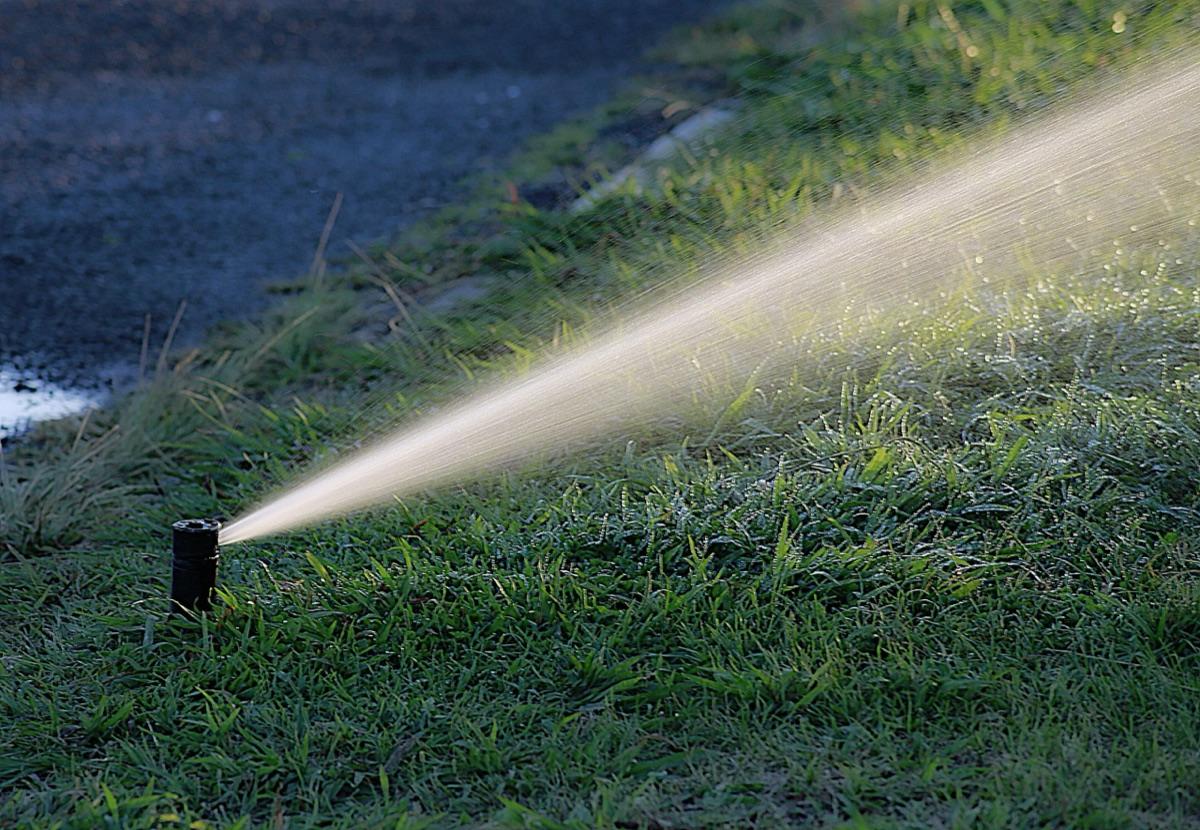
Efficient irrigation systems only help if the water is landing where it should. Run each irrigation zone for a few minutes and watch closely. Look for clogged nozzles, tilted sprinkler heads, broken spray patterns, leaking heads, or water misting into the street.
Make sure lawn zones are covering the lawn evenly, and bed zones are reaching the plants without soaking sidewalks, fences, or pavement. Dry patches often happen because one head is blocked, tilted, or spraying too far in one direction.
Check your timer settings, too. Confirm the start time, run time, and any rain sensor settings. If your system was set earlier in the season, it may not match current heat and moisture needs.
For a simple coverage test, place catch cups or tuna cans around the lawn and run the system. If one can fills quickly and another stays nearly dry, you may have uneven coverage.
If you rely on hoses and sprinklers, stage them before the heat wave arrives. That makes watering faster during the heat wave.
48 Hours Before: Adjust Lawn Mowing to Protect the Grass
Small adjustments to lawn mowing practices can help turf hold moisture during extreme heat. In hot weather, taller grass provides more shade to the soil and reduces moisture loss. If possible, raise your mowing height before temperatures spike.
Follow the one-third rule. Avoid removing more than one-third of the grass blade at one time. Cutting too low can shock the turf, expose the soil, and make heat stress worse.
Mow when the grass is dry and temperatures are cooler. Avoid lawn mowing during the hottest part of the day.
Sharp mower blades also matter. Dull blades tear the grass instead of cutting it cleanly, which can increase water loss and leave turf looking ragged or brown at the tips.
If clippings are light and dry, leave them on the lawn. They can return small amounts of organic matter and help with moisture retention. Heavy clumps should be broken up or removed so they do not smother the grass.
48 Hours Before: Protect Soil Moisture in Landscape Beds
Landscape beds need their own heat wave prep. Mulch is one of the simplest ways to protect soil moisture and keep plant roots cooler.
Top up mulch to a consistent layer, but avoid piling it against stems, crowns, or tree trunks. Mulch volcanoes can trap moisture against bark and create long-term plant health problems. Keep mulch pulled back slightly from the base of plants.
Focus first on exposed soil around perennials, shrubs, young trees, and new plantings. Water the bed before adding mulch so moisture is already in the root zone. Then mulch over the damp soil to reduce evaporation.
Avoid heavy cultivation right before a heat wave. Turning or disturbing soil can dry it out faster and damage shallow roots.
For sensitive plants in bare or reflective areas, temporary shade may help during the worst afternoon sun. Even a short-term shade cloth or patio umbrella can reduce stress on vulnerable plants.
48 Hours Before: Pause Fertilizer, Herbicides, and New Planting
Heat waves are not the time to push new growth. Skip nitrogen-heavy fertilizer right before extreme heat. Fertilizer can encourage tender growth that needs more water and may struggle in harsh conditions
Herbicides should also be used carefully during high temperatures. Applying weed control when turf is already stressed can increase the risk of lawn injury, especially in hot, humid weather.
Hold off on major pruning unless there is a safety issue. Heavy pruning can expose previously shaded leaves and branches to sudden direct sun, which may lead to scorch.
If planting is unavoidable, give the area extra attention. Use proper soil prep, water thoroughly, and mulch well. New plants need consistent moisture through the first heat event.
For new sod or seed, set realistic expectations. The focus should be on moisture consistency and protection, not rapid growth. Some thinning or stress may still happen in extreme conditions.
48 Hours Before: Protect Containers, Annuals, and Hot Spots
Containers are often the first part of a landscape to suffer in a heat wave. Pots dry out faster than in-ground beds because there is less soil volume and more exposure to sun and wind.
Move containers out of full afternoon sun if possible. Water them thoroughly until you see drainage from the bottom, then check them again the next morning. In extreme heat, smaller pots and hanging baskets may need attention more than once a day.
Annuals can also use a moisture buffer. A light compost top dressing or mulch layer can protect the soil surface and slow evaporation.
Pay close attention to high heat areas near brick walls, fences, driveways, pool decks, and patios. These surfaces reflect and hold heat, which can make nearby plants dry out faster than plants in open lawn or shaded beds.
The Day of the Heat Wave: Watch and Respond Early
On the hottest day, keep your response simple. Check plants in the mid-morning, then look again in the late afternoon. Some wilting during peak heat can be temporary, but plants that do not recover later in the day may need assistance.
Spot water the most stressed areas instead of soaking everything. Focus on new plantings, containers, shallow-rooted turf, and high-value plants.
Avoid mowing, pruning, planting, or heavy yard work during peak heat. These tasks add unnecessary stress.
Watch for signs of heat stress in both turf and ornamentals. Dull grass, lingering footprints, leaf curl, drooping stems, crispy edges, and sudden color changes are all signals to respond early.
Limit foot traffic on stressed lawns, especially in compacted areas. Grass under heat and moisture stress can be slower to recover from wear.
After the Heat Breaks: Help Your Yard Recover
A few weeks of recovery care can help restore a beautiful lawn after extreme summer temperatures. Continue deep watering if the dry pattern continues. One cooler day does not always mean the soil has enough moisture again.
Inspect the lawn for thinning, insect activity, disease flare-ups, or areas that stayed dry despite watering. Heat often reveals weak spots that were already developing.
Repair irrigation problems you noticed during the heat wave. A clogged head or uneven zone can cause repeat damage every time temperatures rise. Green Acres services and installs irrigation systems for Delaware properties.
If your lawn struggled badly, consider planning fall renovation. Aeration, overseeding, soil improvement, and better irrigation coverage can help turf handle future heat more effectively.
When to Call a Pro in Delaware
Some heat wave prep is simple, but repeated stress may point to a bigger lawn maintenance or landscaping issue. If recurring heat damage is becoming a problem, professional lawn care can help identify irrigation, soil, or drainage issues. Our lawn and plant health service looks at the lawn itself, and recurring wet or dry spots may point to a grading and drainage problem.
Green Acres provides lawn maintenance, landscaping, and lawn services for residential and commercial properties throughout Delaware. If you are searching for yard maintenance near me before the next heat wave, contact us to build a proactive plan for your lawn and landscape.