
The Best Mowing Methods for Delaware Lawns
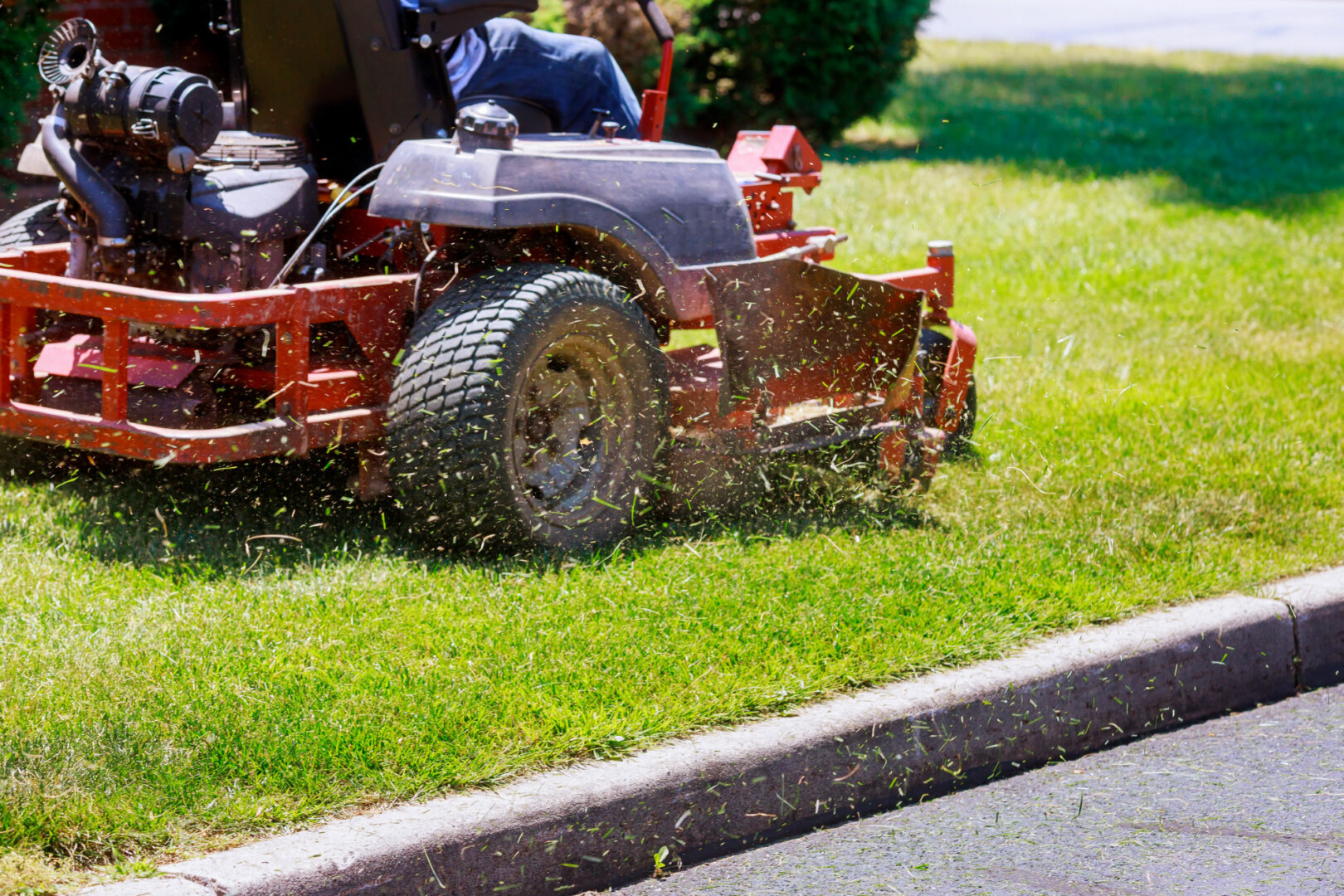
Mow Delaware lawns at three to four inches for tall fescue and about two and a half to three and a half inches for Kentucky bluegrass, and never remove more than one third of the blade height in a single cut. Sharp blades, a dry lawn and a changing mowing pattern do the rest. Those few habits decide whether your lawn looks thick and green or thin and stressed.
How tall should you mow your lawn?
Taller grass grows deeper roots, shades out weed seeds and holds more moisture in the soil. That is why mowing height is the single biggest lever you control.
- Tall fescue: about 3 to 4 inches.
- Kentucky bluegrass: about 2.5 to 3.5 inches.
- Summer: leave the grass at the higher end of your range. Taller blades shade the soil and cut water loss.
Cutting grass short removes the leaf surface that makes food for the plant. A scalped lawn dries out faster, needs more water and gives crabgrass room to move in.
What is the one-third rule?
Never cut off more than one third of the grass height at once. If your lawn is mowed at 3.5 inches, mow when it reaches about 5 inches.
If you miss a week and the grass gets tall, do not cut it down to your normal height in one pass. Lower the mower in steps over a week or two so the lawn does not go into shock.
How often should you mow?
Mow based on growth, not the calendar. In Delaware, cool-season grass grows fastest in spring and fall.
- Spring and fall: usually once a week, sometimes twice during the May growth surge.
- Summer heat: growth slows, and every seven to ten days is often enough.
- Late fall: keep mowing as long as the grass is growing. Make the last cut of the season a little lower, and see our fall lawn prep checklist for the rest of the cleanup.
Should you bag clippings or leave them?
Leave them. Short clippings break down quickly and return nitrogen to the soil, which can cut your fertilizer needs. Bag or rake clippings only when the grass was very tall or wet and the clippings lie in clumps that can smother the lawn.
Why do sharp blades and mower type matter?
A dull blade tears grass and leaves ragged brown tips. That stresses the plant and gives disease an entry point. Sharpen mower blades at least once a season, and more often if you mow a large lawn or hit sticks and stones.
Most homeowners use a rotary mower, and many have a mulching mode that chops clippings finely. Reel mowers cut like scissors and give a very clean cut, but they work best on grass kept under about 1.5 inches. For the taller heights above, a rotary mower is the practical choice.
What mowing mistakes damage a lawn?
- Mowing wet grass, which clumps, clogs the deck and compacts soil.
- Following the same path every week, which creates ruts. Change direction each time.
- Cutting too short in July and August.
- Letting the lawn get so tall that you have to scalp it.
Alternating direction also lets you create the striped look many homeowners like. Mow in opposite directions on adjacent passes and the bent blades reflect light differently.
When is it worth hiring a lawn crew?
If you travel often, have a large property or just want the weekly work off your plate, a recurring service keeps mowing height and timing consistent. Green Acres provides lawn maintenance for residential and commercial properties around Wilmington. For a lawn that stays thin even when you mow correctly, lawn and plant health care can help find the underlying problem.
Request a free estimate from Green Acres or call (302) 332-8239 and tell us what is happening in your yard.